Ukrainians Enjoying Visa Free Travel to Europe

According to Razumkov Center’s sociological study, 55% of grown up Ukrainians have never been abroad, 16.3% go abroad less often than once in 10 years, 11.6% of the population visit other countries once in 6-9 years, 8.6% travel once in 2-5 years, and only 8.7% go abroad once a year or more often. Today, when the doors of the European Union are finaly open, Ukrainians do not need visas to enter the countries of the so-called Shengen zone.

урк-безвиз

In a few days now, 40 million Ukrainians with biometric passports will be permitted to enter 30 states in the Schengen zone for 90 days for tourism or business. After many months of ongoing discussions and negotiations, the decision has eventually been made and will come into force on June 11, 2017.  The map below shows Ukraine in red, and the visa free territories in bright green, as well as the light-green territories where visa is issued upon arrival, and the grey territories are the countries which require a visa to be issued prior to the arrival into the country. Well, the good news is:

 THE WORLD IS BECOMING GREENER FOR UKRAINIANS!

Visa_requirements_for_Ukrainian_citizens

Our local press is full of articles about what to expect on a visit to Europe and how one should prepare for the trip. This fuss causes me mixed emotions, though. I am happy for the Ukrainians, of course. At the same time, this decision was preceeded with such a long period of procrastinating that it no longer excites anyone.

укр_тур

Still, I believe that every Ukrainian citizen – especially the young ones – MUST visit as many countries as it is possible, because-

THE ONES WHO TRAVEL A LOT CAN UNDERSTAND THEIR OWN COUNTRY BETTER 

The more Ukrainians travel, the sooner they can make their life better. Today, thousands of people still scold their country and always grumble: “Everything is bad, it just can not be worse!” I am sure these are the voices of those who have never traveled abroad.

туризм

If more people travel and finally see the world with their own eyes, this will open their eyes, I a, sure. There are so many things one can do in this country, and there are really many things which are really very good here. One simply needs to have a wider look on things to be able to see this. Today, Ukraine is becoming the country of opportunity for many. I hope that Ukrainians will soon show this to the rest of the world.


M. Bulgakov’s Immortal Book

Mikhail Bulgakov’s The Master and Margarita was written in the 1930-es, but remained unpublished until 1967. The author died in 1940, unaware that his book would be read by hundreds of millions, translated into all world’s languages, and named one of the best novels of the 20-th century.  Bulgakov started writing it in 1928, but burned the first manuscript in 1930, seeing no future as a writer in the Soviet Union, and then restarted the novel again in 1931. His personal drama was reflected in the book, along with numerous other dramatic and comical topics, drawn so brilliantly that, once having started reading, you cannot take a break and read it to the end.

M&M2

The book is full of strikingly wise and amazingly precise thoughts. Below are a few phrases which I tried to translate from Russian with minimal loss of meaning, along with a few well-known illustrations of the book.

M&M11

“What would your good do if evil didn’t exist, and what would the earth look like if all the shadows disappeared?”

M&M0

“Fact is the most stubborn thing in the world.”

M&M1

“There is no greater misfortune in the world than the loss of reason.”

M&M3

“…the one who loves must share the fate of the one he loves.”

M&M9

“Everything will turn out right, the world is built on that.”

M&M8
― Mikhail Bulgakov, The Master and Margarita


A Writer and His Travel…

travel_puertorico

Travel definitely affects me as a writer,” said Anthony Doerr, and he was far not the first one to admit this. Remember Jack Keruac’s “live, travel, adventure, bless, and don’t be sorry,” or E.B.White’s “travel is fatal to prejudice, bigotry, and narrow-mindedness… Broad, wholesome, charitable views of men and things cannot be acquired by vegetating in one little corner of the earth all one’s lifetime,” or E. Hemingway’s: “it is good to have an end to journey toward; but it is the journey that matters, in the end.” I could continue the list of quotes on dozens of pages, but it seems there is no need trying to prove this; everyone already agrees that travel broadens our horizons and boosts our creative energy.

Travel_Fmaui

At the same time, we only get to know the healing and inspiring effect of travel when we are smart enough to be able to analyze things that we see around us. Those who are unable to grow excited, admire, appreciate, or at least compare things to each other will never see the beauty of travel. It is like bringing romance with you to an island when you are looking to have a romantic adventure.

OLYMPUS DIGITAL CAMERA

My recent trips have been doing something wonderful to me. I come up with numerous ideas when I hit the road. Then, during months on returning home, I can’t stop thinking them over and writing. At times, they become overwhelming, but every creative person goes through this stage once in a while. I have an unbeatable drive to put it all on paper, so I have to say to my friends who call me out for coffee: “I’m Sorry. Not now,” I rub my temples and add, “not today… er- maybe some other day… later. Bye.”

It feels rather bad to postpone every other task besides writing, but again, I hear inside me: “To hell with little obligations and tasks, they can wait! To hell with unfinished books that long for some final editing. To hell with everything that is not writing!”

I glsnce at my calendar and my working diary. They seem to look back with reproach. “I will be with you… some day,” I say sternly, “but now, I’ve got to write, it’s important, you know.”

In the end, this is not my fault! It’s the travel…

OLYMPUS DIGITAL CAMERA

OLYMPUS DIGITAL CAMERA

The Feeling of Being a Published Author

I know, this would not be a big deal to many, but it is to me. My short story, Every Day of Spring, was accepted by One Persons Ttash literary journal and is available now on their website as a featured fiction story .

OLYMPUS DIGITAL CAMERAThis is a real personal victory to me, because I have been working for years to make this happen. English is not my native language, but it is the one I love very much, so I have always tried to become really good at speaking and writing it. I have published many non-fiction works before, they were in Russian, Ukraiian and English. But writing fiction is different, it requires deeper knowledge of the language and its culture, and so, this publication has come as a confirmation that I am good enough to stand in one line with the natives. So, I am going to have a little celebration today! And tomorrow, I will certainly wake up more confident, and hopefully, more of my published works will soon appear in the western magazines and book stores!


A Love Letter to a Russian Girl


a_love letter

Quite often, I receive requests from English-speakers for assistance in translating or editing their personal letters, addressed to Russian women, in order to make sure that nothing of what they say would sound inappropriate or clumsy to their charming Russian readers. This post, however, may be interesting to a wider audience than learners of the romantic Russian language. You are welcome to look through the “sample” love letter in Russian and its English translation, just to train you Russian!

This is a sample set of sentences to compliment a Russian woman and to share with her about your feelings. Certainly, there may be thousands of other ways to express whart you feel, but these are just a few examples in Russian and in EngLish. If you are a learner of Russian and would like to know more about how to write your letter or to translate / pronounce some phrases, you ae welcome to contact me and ask for explanations.

Привет, Солнышко! Hello, (my) Sun! (dear / love / darling),
Я давно хотел рассказать тебе о своих чувствах, но долго не мог решиться на это. It has been a long time since I wanted to tell you about my feelings, but I could not dare to do this.
Поэтому я решил выразить свои чувства в письме. So, I decided to express my feelings in a letter.
С тех пор, как я первый раз увидел тебя, в моем сердце загорелась маленькая искорка. Since the day we met for the first time, a little sparkle lit up in my heart.
С каждым днем она росла и становилась все ярче. It kept growing bigger and brighter day after day.
Я понял, что мои искренние чувства к тебе переросли в нечто большее. I realized that my sincere appreciation for you was turning into something bigger.
Я полюбил тебя всем сердцем и теперь я не могу представить себе жизнь без тебя. I fell in love with you with all my heart, and now, I cannot imagine my life without you.
Ты подарила мне все необходимое, что нужно для счастливой жизни. You have given me all I needed to feel completely happy.
Ты для меня – идеальная девушка. You are a perfect woman (girl) for me.
В тебе нет недостатков, ты само совершенство. You have no flaws, you are a perfection.
Я поражаюсь твоей красоте и изысканности. I admire your beauty and grace.
Я горжусь тем, что самая красивая девушка в мире стала моей. I am proud to have the most beautiful woman in the world.
В твоих глазах столько нежности и искренности. Your eyes are so tender and so sincere.
Ты даришь мне тепло, которого мне так не хватало до тебя. You give me the warmth, which I was missing so much before I met you.
Я не перестаю удивляться твоей очаровательной улыбке, которая заставляет меня забыть обо всех проблемах и разочарованиях. I can’t stop admiring your charming smile, which makes me forget about all problems and disappointments.
Мне хочется улыбаться вместе с тобой, я хочу всегда держать тебя за руку. I want to smile together with you and – always – I want to hold your hand.
Но самое главное, что я ценю в тебе, это твой внутренний мир. But most of all, I admire your inner world.
Ты такая добрая и чувственная, ты всегда понимаешь меня с полуслова. You are so kind and sensible, you always understand me perfectly.
Мне нравится говорить с тобой, мне нравится молчать с тобой, я обожаю просто смотреть на тебя. I like talking to you, I like to walk in silence with you, I love to simply look at you.
В твоих движениях скрывается столько открытости и таинственности одновременно, что хочется любоваться тобой вечно. Your movements hide so much openness and mystery at the same time, that I want to watch and admire you forever.
За все это я и люблю тебя, люблю искренне и открыто. For all this I love you, I love you sincerely and openly.
Благодаря тебе я познал любовь и обрел счастье. Thanks to you, I got to know love and found my happiness.
Мне хочется кричать об этом всем и тихо шептать тебе это на ушко. I want to cry about all this to everyone, and I want to whisper these words into your ear.
Я люблю тебя больше жизни и буду любить всегда. I love you more than my life and will love you forever.

Three beautiful girls sitting in cafe

Russian Loanwords in English

Recently, a few friends-writers from social networks asked me to share about the traces of Russian culture in the English language. I think this information might also be interesting to other people, not only linguists and writers.

aa_kokoshnik

Since very old times, the people, who inhabited vast territories of the present-day Russia, were known to have strong connections with other parts of the world. I am talking mainly about the ancient Kiev State and Great Novgorod. The exchange happened on different levels – in politics, trade, technology of the time, culture, and, of course, on the level of language. One of the first Russian words which came into the English language was ‘tapor-x’, which united a Russian and a Norwegian words; the word was found in handwritten manuscripts of 1031. Another English word, to talk, has the same root base with the Russian noun толк [tolk] (verb: толковать).

The words with common roots have been found in both, English and Russian languages since medieval times: sable (соболь), the old English meodu (м`д) and the more recent mead, meaning honey; the old English meolk (молоко), or milk; the old English ploz (плуг), meaning plough.

aa_troika

The pre-revolutionary Russia brought the following words into the English speaking world: мужик (muzhik), изба (izba), шуба (shuba), квас (kvass), морс (morse), щи (shchi), борщ (borshch), мед (mead), калач (calach), кисель (kissel), водка (vodka), наливка (nalivka), блины (bliny), телега (telega), печь (peach), махорка (makhorka), молитва (molitva), обедня (obednia), хоровод (khorovod), указ (ukase), опричнина (opritchnina), староста (starosta), боярин (boyar), царь (tsar), артель (artel), дача (dacha), самовар (samovar), тройка (troika), дрожки (droshky), погром (pogrom), степь (steppe), тундра (tundra), тайга (taiga), суслик (suslik), борзая (borzoi).

The 70-year period of the Soviet Union state gave birth to a whole bunch of new words, which acquired completely new meanings in the given environment: apparatchik (аппаратчик, an office worker), gulag (гулаг) Soviet-time prison/camp in Siberia. The decay of the Soviet Union enriched the English language with such words as: glasnost (гласность) and perestroika (перестройка).

The words sputnik (спутника) and cosmonaut (космонавт) also came into English through Russian.

Russian tourists and immigrants have contributed the words, associated with the Russian cuisine: blini (блины), borshch (борщ), koulibiaca (кулебяка), kasha (каша), smetana (сметана), kvass (квас), pirogi (пироги), shashlik /shishkobab/ (шашлык), vodka (водка), zakuska (закуска).

Russian suffix -ник (-nik) has become quite popular in English recently, you can find it in words kapustnik (The Daily Express), flopnik (Daily Herald), pufnik (Daily Mail), stayputnik (News Chronicle) (Эпштейн М. 2003).

Today, no English speaker is surprised to hear Russian words рубль (rouble) and копейка (kopek), (interestingly, the word rouble came into English through French), балалайка (balalaika) – Russian musical instrument; казачок (kazachok) – Ukrainian and Russian popular dance; борзая (borzoi) – a Russian dog kind; белуга (a fish) and белуха (a whale) have the same name in English: beluga; the Engish babushka – is a woman wearing a cloth over her head, tied under her chin; and of coure, Russian степь (steppe), тайгa (taiga) and тундрa (tundra), and many others.

aa_matryoshka

The rest of this article may be interesting to experts in Russian culture or to writers, whose work is devoted to the Russian culture:

1. The names, related to the state organs of power and ranks of the seate service people: czar (tzar ) ‘царь ’, voivodeвоеовда ’, knesкнязь ’, bojarбоярин ’, moujikмужик ’, cossackказак ’, opritchinaопритчина ’, strelscyстрелец ’, starostaстароста, ukaseуказ, kremlinкремль ’, sotniaсотня ’, Raskolnikраскольник ’.

2. Different measurements: verstверста, arshinаршин, poodпуд, sageneсажень ’, roubleрубль, copeckкопейка, chervonetsчервонец ’.

3. Names of items of clothes, foods or household items: shubaшуба ’,kvassквас, morseморс ’,koumissкумыс ’, shchiщи, borshchборщ ’,meadмед, calashкалач ’, shashlikшашлык ’, kisselкисель ’, vodkaводка, starkaстарка, nalivkaналивка, nastoikaнастойка, blinyблины, oladyiоладьи, okroshkaокрошка ’, troikaтройка, izbaизба, telegaтелега, peach‘печь, balalaikaбалалайка ’, bayanбаян ’, samovar самовар ’, tarantassтарантас ’, droshkiдрожки ’, kibitkaкибитка ’, makhorkaмахорка ’.

4. Natural characteristics and animals: steppeстепь, tundraтундра ’, taiga ‘тайга’, poliniaполыня ’, suslikсуслик ’,borzoiборзая ’.

5. Religious words: molitvaмолитва ’, obednjaобедня’ and a few names associated with unique Rusian culture: kokoshnikкокошник ’, khorovodхоровод ’, samovarсамовар’,obrokоброк ’,zolotnikзолотник ’, otrezokотрезок, vedroведро, matrioshkaматрешка ’.

There are many more words, of course, but those listed here are the most “recognizeable” by the English speakers.

AA_babushka

Facebook Addiction Alert! My Study of the Problem


fb-addiction3last weekend, I happened to encounter a very unusual experience: I lost the sense of time for a while. I remember going to Facebook to check whether my recent post had caused any attention of my subscribers. It had, so I dropped a couple of replies to their comments and decided to scroll down the timeline a little to see what my reareds had posted since I visited the site (which was just a few hours before). So I started brushing through one post after another and… when I raised my eyes from the page, the clock in the corner of my laptop screen was showing a  time three hours later than I could expect! Previously, I only had such moments a few times, if I was lucky to find an exciting novel, a real page turner, so I would plunge into it and read it till the very last page.

The problem with Facebook, however, is the fact that you can’t come to an end of it, unless you logout by decision of your willpower or delete your account at all. Then I thought, What if my addiction becomes so strong that I won’t have the power of character to step away from the account? I have been wondering, how many people out there are spending a working-day worth of time with Facebook daily? And I gasped in realization: really many, and I even know such people, because every time I log in to my account (which I do a few times a day), I can always see a little sign under their profile photo: “10 new posts” or “8 new posts”.

fb-addiction2

Well, I need to do something about it, and I know: shifting to Twitter is not an option! 😉 I decided to start monitoring my own Facebook activity, and I have been doing it since the last weekend. Here is my “statistics”: I have three FB accounts and I visit each of them at least 3-4 times a day. I think that I am doing this for my self-marketing, but the truth is: they are not helping me a lot, the efficiency is quite low. Every time I log in to an account, I first of all take a look at my new likes, comments and messages and take care of them. Then, I scroll down the timeline for new information, and If I happen to find something interesting, I grow excited and keep scrolling for more posts and articles.

Interestingly, brushing through Facebook posts is not like doing the same thing on Wikipedia, for example. In Wikipedia, I always search for information, trying to satisfy my informational humger. On Facebook, I scroll down to satisfy my emotional hunger: I look for pictures and cute videos in the first place; I want to see nice stuff; I prefer short texts and excessive illustrations; my eyes desire pleasurable excitement.

I think I will continue making notes about my addiction. Thankfully, so far, I can fight it (at least, I believe that I can!) Let us see what other conclusions this little experiment is going to bring, and for now, here are a few notes I have made about the signs of FB-addiction. You are welcome to check, whether you have them. So far, I have caught myself on the following-

  • Using Facebook during hours every day, an ongoing desire to return and check what’s new with my friends;
  • Growing excited every time when I see that someone liked my post or sent me a message;
  • Tendency to keep scrolling down FB posts to exhaustion, with little to no recollection of what I saw, learned, “liked,” read, or even how much time I spent;
  • Pulling up the app during every spare moment, any time I am not required to be in direct contact with other people);
  • A frequently reoccuring feeling of emotional tiredness, almost exhaustion;
  • A sense of having no “free time”, when I tend to complain to myself about being too busy all the time;
  • Decreasing interest for other creative activities and hobbies, which I used to love in the recent past;
  • A feeling that my posts may be important to somebody, so they have to be interesting
  • Tendency to treat my Facebook friends as seriously as I do with my real life friends, a growing feeling of “responsibility” for being there with them.

fb-addiction1

A Follow Up on “How to Spot a Liar?”

Dear Friends, I have received dozens of comments in connection with my previous post How to Spot a Liar? and would like to thank you all for sharing your thoughts with me. Here are a few follow up ideas about the topic. I just read another dozen of articles about identifuying liars (many of them seem to repeat each other) and found a few more little details which I would love to share.

Liar-4

First of all, I thought that each of us, of course, has some skills in lying. Even those who try to always tell the truth and only truth, have to say white lies now and then, anyway. Remember the moments when you need to take your kids away from an ice cream kiosk, or when you tell your elderly parents that you are doing great knowing that your office or private life has been quite stressful 😉 Yes, let us face it: each of us has to lie once in a while. And- however surprising this may sound, our first teachers in lying are… our own families (parents, grand-parents, siblings, all those who we love the most)!

Some kids become very good at identifying lies already in very early childhood, especially if they have to adapt to some challenging enviroinment. The kids who live in fear of being misunderstood or punished, usually develop certain social skills very early, by the age of 3 or 4. At this age, they can easily identify our dishonest behavior by analyzing our mimicks, intonation patterns and body movements. At the same time, other kids, who do not have to be so self-protective, may not develop the skill until they are teenagers or even grown ups. So, all of us have different ability to identify a liar and to deal with those who lie. To follow up with my yesterday’s article, I have put together a few more little tips. I have collected them from a dozen of articles (some academic, some popular) which I have read this morning:

  • Liars are usually good at acting. Why don’t you act a little bit, too? Simply play the one who cares. Ask them questions they don’t expect and look at the reaction.

  • It is difficult for deceitful people to be consistent with their lies; they forget where they started the lie and where it ended. If you are beginning to sense this, ask the person to recall events backward rather than forward in time… and again, enjoy watching the reaction.
  • Liars tend to listen less and speak more with unnecessary information, because they need to distract, convince, and sway you into believing them. As soon as this begins to happen, stay alert.
  • It is good to always keep in mind that when stressed, people usually begin to speak faster, and often- louder. Cracking in the natural tone of voice may also occurs at the point of deception. Repetitive coughing and clearing the throat are other signs of tension.
  • You should be cautious when liars say “no” and immediately glance in a different direction or say “no” and close their eyes, or when they say a long “noooooooo” in a singsong manner.
  • When your conversation partner all of a sudden starts speaking formally (happens when the stress levels are high) or starts giving exaggerated responses, or begins to forget critical things during a conversation, or if they apparently look a bit confused/distracted by something, these are also the right signs of hidden lie.
  • It is necessary to watch out for someone who is trying too hard to make a good impression or showers praises constantly, or laughs at all your jokes and keeps reminding you of your qualities and talents.
  • If this happens, try asking follow-up questions. If your conversation partner starts responding to questions with short answers, or refuses to provide details when cross questioned, you have all the reasons to suspect such people of lying to you.


How to Spot a Liar?

Today, in the world of Internet, television and incredible variety of communication tools and technologies, we may easily deal with hundreds – even thousands – of people daily. Some people talk to us in the office, others meet us at home and in the streets, some share the news with us, and many – really many – look at us from screens set up everywhere, to share information, advertisement or advice. Still, with all this enormously intense daily communication, many of us still have difficulties identifying whether we are being told the truth or not. Let us look at the signs which surely give out a liar.

Liar-1

Liars are the people who often say one thing and mean another. If you suspect someone of lying to you, keep a close eye on what they are doing with their body language.

More often than not, a lying person will look troubled about something. Liars look as if they are in hurry, and when you start asking questions, they may start getting defensive. If you catch a liar on the fact that some things about their story simply don’t add up, they will grow irritated and change the subject abruptly. At some point during the dialog, they may start rambling – even an experienced liar does this once in a while. Here is one more quite noticeable sign: while telling you lies, such people prefer to keep physical distance from you.

There are a few interesting observations about the liars’ typical body language. The most glaring are these:

  • Liars change their head position when you ask them a direct question (this will happen right before they respond to your question);

  • Their breathing changes and their shoulders may raise a little bit as they speak; the voice may also raise a little;
  • Quite often, a lying person begins to fidget nervously, but according to some scientists, you should also watch out for people who are not moving at all. If you observe a rigid stance devoid of movement, it is often a huge warning sign that something is not right.
  • When liars lie, they tend to repeat words or phrases.
  • Trying to sound plausible, a liar will often tend to share too much information with lots of excess details.
  • As a self-protection instinct, liars may touch or cover their mouths while speaking; they may also instinctively cover vulnerable body parts – the throat, chest, head, or abdomen. You may also catch them on shuffling their feet while speaking.
  • There may be long moments when a liar will stare at you without blinking. Commonly, when we are not experts at lying, we tend to break eye contact, but an “expert” liar could choose to maintain eye contact in attempt to control and manipulate you.

  • Also, it is a known fact that while lying, people tend to point a lot. A liar, who has become hostile or defensive, will certainly attempt to turn the tables on you, because they are angry that you’ve discovered their lies, and then they will try to be very convincing, which may result in a lot of pointing.

I hope these little tips will help you avoid unpleasant situations in the future and you will quickly identify a liar at the very beginning of the conversation.

Liar-3


Old Easter Traditions and Beliefs in Slavic World

This year Good Friday falls on April 14 and Easter Monday is on April 17. Since very old times, the Easter week is a holy time for every Slavic nation. Numerous traditions, customs, rules, omens, signs and superstitions have developed through centuries in connection with Easter festivities. As this is the time of very changeable, early-spring weather, lots of beliefs and popular superstitions are connected with observations of weather on the Easter week. Here are some of them, which have been observed through centuries by the Slavic peoples.

Easter

In order to make really good and tasty Easter cakes (called “пасхи” [pAshi]), it was advised that all family behaved quietly. No one was allowed to speak loudly in the house while the women were busy baking.

When the pashi and easter effs were cooked and decorated, they were taken to the church and “holified” there. After the ritual, the master of every house had to quickly carry the easter cake(s) to his home. The tradition was based on the belief that the family that reaches their home first after the church service, will get a better harvest that year and will be the first to finish their work on the fields.

Easter2

A few other traditions were also strictly observed and followed-

  1. To keep the family life peaceful and happy, the whole family had to begin their holiday Easter meal together. All members of the family were expected to take their places around the table and everyone has to eat a piece of the “holified” Easter cake in the first place.
  2. Young women believed that, if they hit their elbow against a wall or a door that day, they would soon meet their fiancé and get married.
  3. If the Easter day was rainly, it was expected that the whole spring and the early summer would be rainly, too.
  4. If the day was sunny, it meant that the harvest would be good that year.
  5. The one who was the first to see the sunrise on the Easter morning was supposed to be happy all the year round.
  6. The elderly people brushed their hair on this day and counted the hairs that remained on the comb: that was supposed to be the number of grand-children which they would have.
  7. Young couples would kiss under a strong tree on the Easter day to make sure their relationship would be happy.

Easter3

  • Follow Share love. Educate. Inspire. on WordPress.com
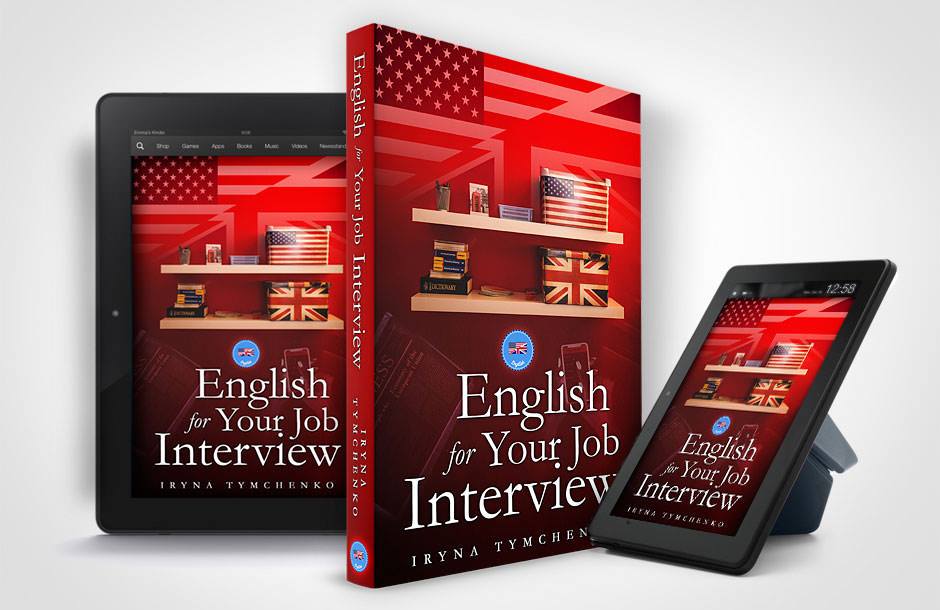
  • New: English for Your Job Interview

  • Follow me on Twitter

  • An Interview

  • Recent: Romantic English Phrasebook

  • Recent: Romantic Russian Phrase Book

  • Languages & Lifestyles

  • Archives

  • Goodreads

  • 101 Books

  • Writing

  • Blogs I Follow

Shelf Love

live mines and duds: the reading life